
10 Minimalist Living Room Decor Ideas
Discover the art of minimalist living room design so you can create a serene, clutter-free space that feels both spacious and incredibly stylish. These carefully curated ideas will help you transform your living area into a peaceful sanctuary while maximizing both function and visual appeal.
1. Neutral Color Palette
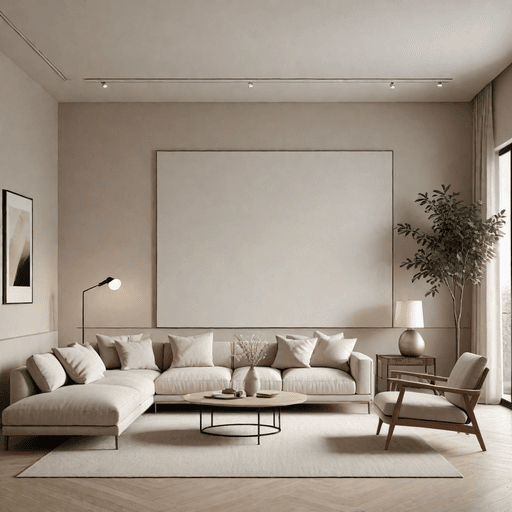
A neutral color scheme forms the foundation of any successful minimalist living room. Think soft whites, warm beiges, gentle grays, and subtle off-whites that create a calming atmosphere.
These colors work together to make your space feel larger and more open. They also provide the perfect backdrop for your carefully chosen furniture pieces and decor elements.
The beauty of neutrals lies in their versatility—you can easily add seasonal touches or swap out accent pieces without disrupting the overall harmony. Consider incorporating different textures in similar tones to add depth without visual chaos.
• Related post: 10 Minimalist Living Rooms
2. Clean-Lined Furniture
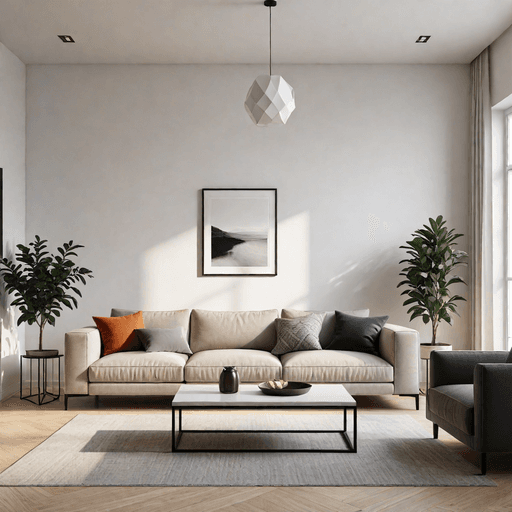
Choose furniture with simple, geometric shapes and clean lines that eliminate unnecessary ornamentation. Think sleek sofas, rectangular coffee tables, and streamlined storage solutions.
Multi-functional pieces are your best friends in minimalist design. An ottoman that doubles as storage or a coffee table with built-in shelving keeps your space organized while serving multiple purposes.
Invest in quality over quantity—a few well-made pieces will serve you better than multiple cheaper items. Look for furniture with legs that create visual space underneath, making your room feel more airy and open.
3. Strategic Lighting
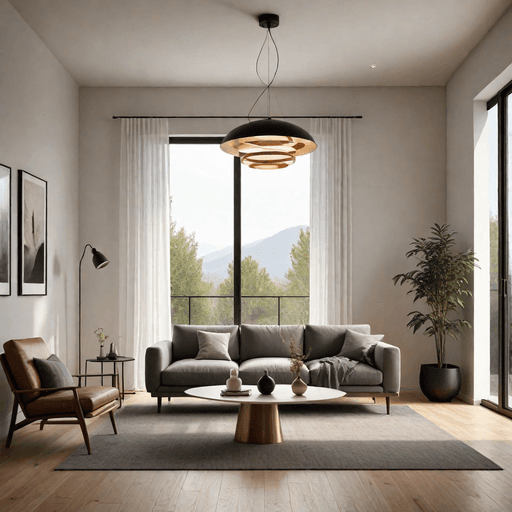
Layer your lighting with intention, combining natural light, ambient lighting, and task lighting. Large windows should be kept unobstructed to maximize daylight.
Choose light fixtures with simple, sculptural forms that double as art pieces. A single statement pendant light or a sleek floor lamp can provide both function and visual interest.
Avoid overhead lighting that creates harsh shadows. Instead, use multiple light sources at different heights to create a warm, inviting atmosphere that highlights your space's best features.
• Related post: 10 Living Room Decor Ideas
4. Single Statement Art Piece
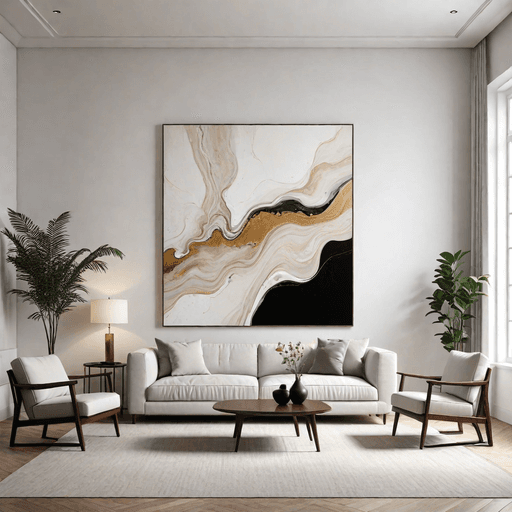
Less is definitely more when it comes to wall art in minimalist spaces. Choose one large, impactful piece rather than cluttering walls with multiple smaller items.
Abstract art, photography, or even a simple line drawing can serve as your room's focal point. The key is selecting something that speaks to you personally while complementing your color palette.
Position your artwork at eye level and ensure it's proportionate to your furniture. A piece that's too small will get lost, while something oversized can overwhelm the carefully balanced space you've created.
5. Hidden Storage Solutions
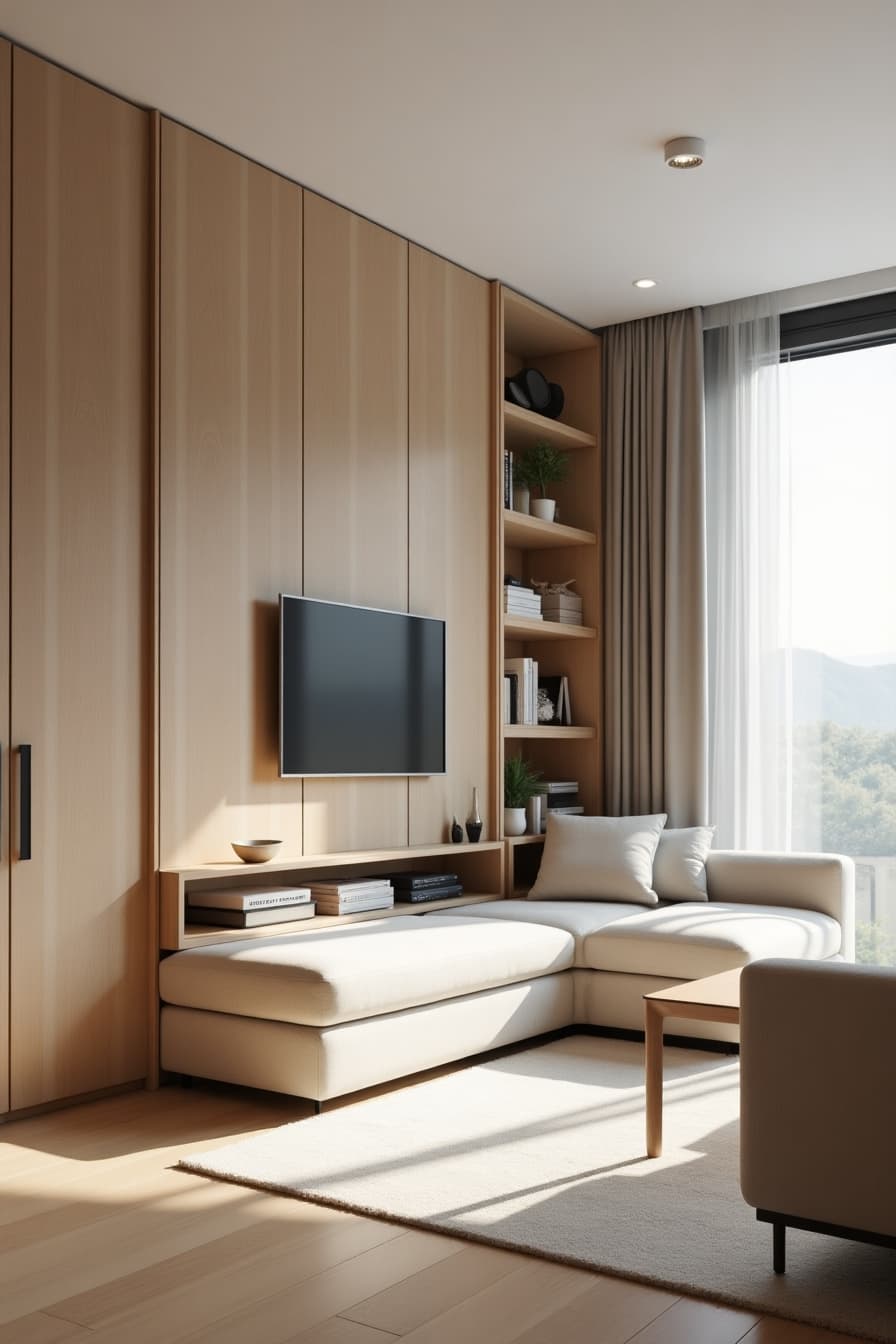
Clutter is the enemy of minimalism, so smart storage is essential. Look for furniture pieces that conceal storage compartments—like coffee tables with drawers or sofas with built-in storage.
Wall-mounted cabinets with clean fronts can hide electronics, books, and other necessities while maintaining visual simplicity. Choose pieces that blend seamlessly with your walls.
Consider floating shelves for displaying a few carefully curated items while keeping surfaces clear. Remember, every item should have a designated home to maintain that serene, uncluttered aesthetic.
6. Natural Materials and Textures
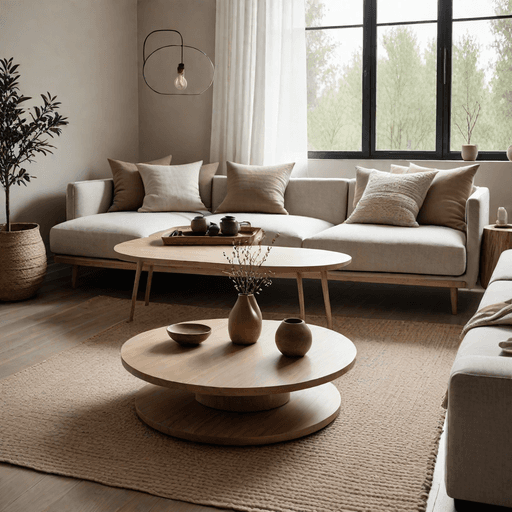
Incorporate natural materials like wood, stone, linen, and wool to add warmth and prevent your space from feeling sterile. These organic elements bring life to minimalist interiors.
A wooden coffee table, linen throw pillows, or a wool area rug can introduce subtle texture variations. These materials age beautifully and develop character over time.
Mix different natural textures thoughtfully—smooth marble paired with rough-hewn wood, or soft cashmere alongside structured rattan. The contrast creates visual interest while maintaining the minimalist aesthetic.
7. Intentional Negative Space
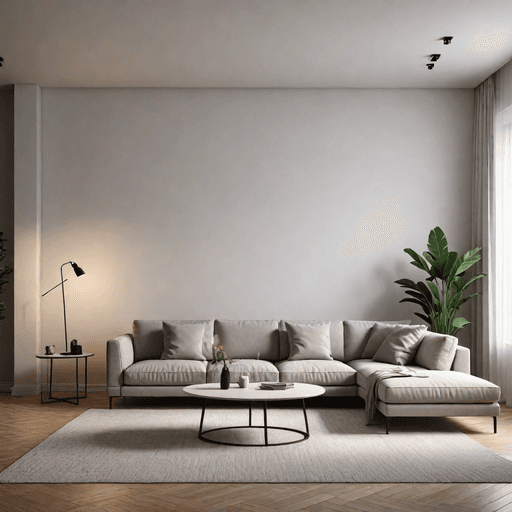
Empty space is just as important as filled space in minimalist design. Allow your furniture to breathe by leaving generous gaps between pieces.
Resist the urge to fill every corner or surface. That empty wall space or clear coffee table isn't lacking—it's creating visual calm and highlighting what you do choose to display.
Negative space makes your room feel larger and more peaceful. It also gives your eye places to rest, which is essential for creating that serene atmosphere minimalism is known for.
8. Quality Window Treatments
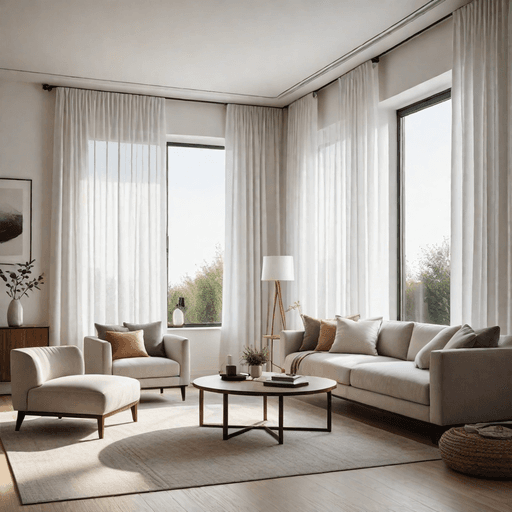
Keep window treatments simple and functional. Opt for clean-lined curtains in neutral colors or sleek blinds that complement rather than compete with your decor.
Floor-to-ceiling curtains hung close to the ceiling create the illusion of height while maintaining clean lines. Choose fabrics that filter light beautifully without overwhelming the space.
Consider motorized blinds or curtains for the ultimate in sleek functionality. The absence of visible cords and chains maintains the uncluttered aesthetic while providing modern convenience.
9. Carefully Curated Greenery
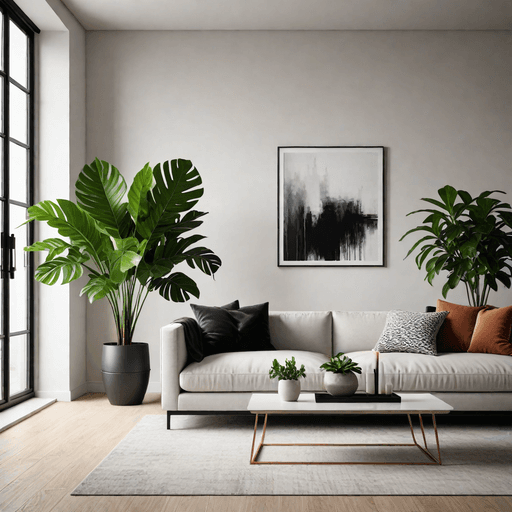
Plants bring life and color to minimalist spaces, but choose them strategically. One large statement plant often works better than several small ones scattered around.
Consider architectural plants like snake plants, fiddle leaf figs, or monstera that have strong, graphic forms. Their sculptural qualities complement minimalist furniture beautifully.
Use simple, modern planters that don't distract from the plants themselves. White, black, or natural terra cotta containers work well with most minimalist color schemes.
10. Technology Integration
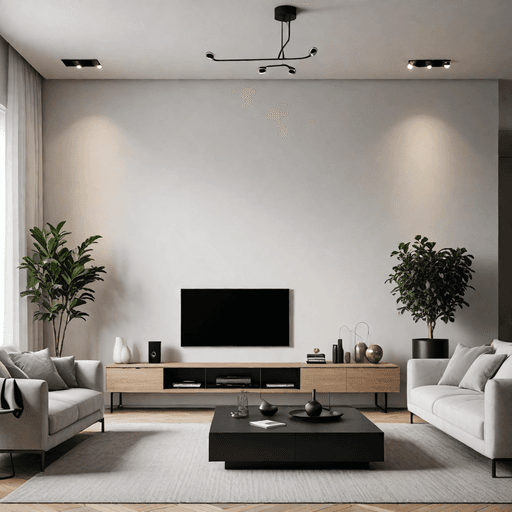
Hide or integrate technology seamlessly into your design. Wall-mounted TVs, wireless speakers, and concealed cables maintain clean lines while providing modern functionality.
Choose tech accessories in colors that match your decor. Black devices work well against dark walls, while white options blend with lighter color schemes.
Consider built-in solutions where possible—a recessed TV niche or built-in speaker system eliminates visual clutter while providing superior functionality. Smart home integration can reduce the need for multiple remotes and controls.